Spotting a Hazardous Tree Near Your Home
What Makes a Tree a Danger?
A tree adds shade, character, and value to a yard. But the same tree can become a serious threat when its structure weakens or disease sets in. Knowing how to recognize the warning signs early can help you avoid damage to your home, your car, or your family. Hazardous tree removal is not something to put off once you notice that a tree is no longer sound. This article walks through the key signs to look for, in the order you should check them, so you know when it is time to call a professional.
Step One: Look at the Overall Lean
Start by stepping back and looking at the whole tree. A slight lean is normal for many trees, especially those growing on a slope or toward sunlight. But a lean that appears suddenly, or one that gets worse over time, is a red flag. Compare the tree to others nearby. If it leans noticeably more than its neighbors, the root system may be failing. A lean combined with cracked soil on the opposite side of the trunk, or with roots pulling up from the ground, is a strong sign that the tree could fall. A tree that leans more than 15 degrees from vertical, especially if it is a large species, is usually a candidate for hazardous tree removal. Do not wait for a storm to test it.
Step Two: Check for Deadwood
Dead branches are the most obvious hazard. They can fall without warning, even on a calm day. Look for branches that have no leaves during the growing season, or that have bark peeling away and brittle wood showing underneath. Deadwood in the upper canopy, often called crown dieback, is especially dangerous because those branches are high and heavy. A tree with more than a quarter of its crown dead is in serious decline. The deadwood itself is a risk, and the tree may be dying from the top down. Removing dead branches can reduce the immediate danger, but if the tree is losing vitality overall, removal of the whole tree may be the safer choice.
Step Three: Inspect the Trunk for Cracks
Cracks in the trunk are structural weaknesses that can split the tree apart. Look for vertical cracks that run deep into the wood, especially those that go all the way through the bark and into the inner layers. A crack that is open wide enough to see daylight through, or one that oozes sap or shows signs of decay, is a serious problem. Cracks where two main trunks meet, called a crotch, are also weak points. If a crack extends more than a few feet along the trunk, the tree may not survive a high wind. Trunk cracks can be hidden under bark that looks intact, so run your hand along the bark if you can safely reach it. Loose bark or bark that sounds hollow when tapped can hide decay underneath.
Step Four: Examine the Roots and Soil
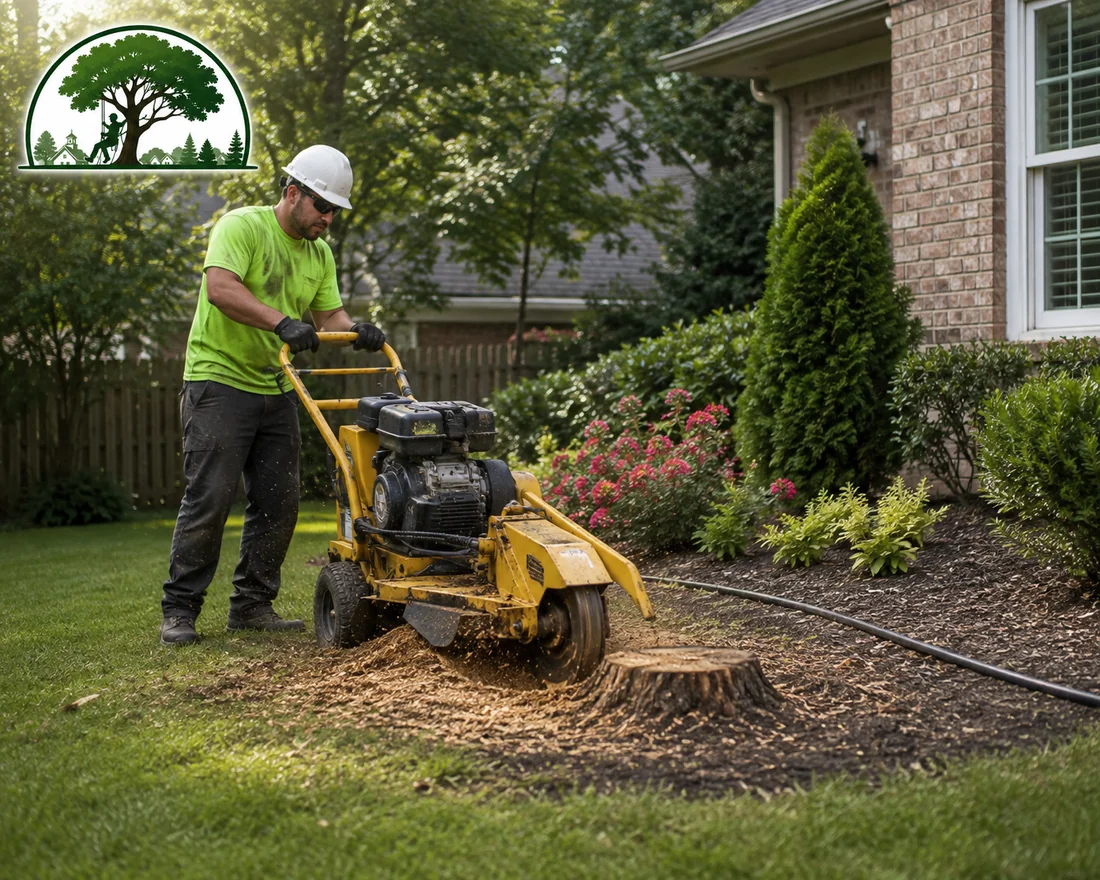
Root decay is often hidden underground until it is too late. Look for mushrooms or fungal growth near the base of the tree. Fungi on the trunk or on the roots indicate that decay is already eating the wood inside. Also check the soil around the base. If the soil is raised or cracked, or if the tree seems to be lifting out of the ground, the roots may have broken or rotted. A tree with a damaged root system has little anchoring it in the soil. This is especially dangerous after heavy rain, when the ground is soft and the tree can tip over more easily. Root problems are hard to fix. Once significant root decay is present, the tree is unlikely to recover, and removal is usually the only safe option.
Step Five: Evaluate the Target Area
A tree does not have to be in perfect health to be safe. What matters most is what it could hit if it falls. This is called the target area. A tree in the middle of an open field with nothing around it is less risky than the same tree leaning over a house, a driveway, a play area, or a power line. Think about the felling direction if the tree were to fall. Could it reach your roof? Your neighbor's fence? The street? Even a tree with minor defects may need to come down if it threatens a high-value target. On the other hand, a tree with some deadwood but no target nearby might be fine if the dead branches are removed. Always weigh the tree's condition against what is in its potential fall zone.
When to Call for Help
Some problems are obvious enough that you know the tree has to go. Others are less clear, and a trained eye can make a big difference. If you see any of the signs described here, especially multiple signs on the same tree, it is worth getting a professional assessment. A local tree service can climb the tree, inspect the crown, and test the wood for decay. They can also handle the removal safely if needed. For homeowners in the Dallas area, a service like treeserviceindallas.com can evaluate the tree and recommend the right course of action. Hazardous tree removal is not a DIY job. A large tree can weigh several tons and fall in unpredictable ways. Professionals have the equipment and training to bring it down without damaging your property.
What to Do in a Storm Emergency
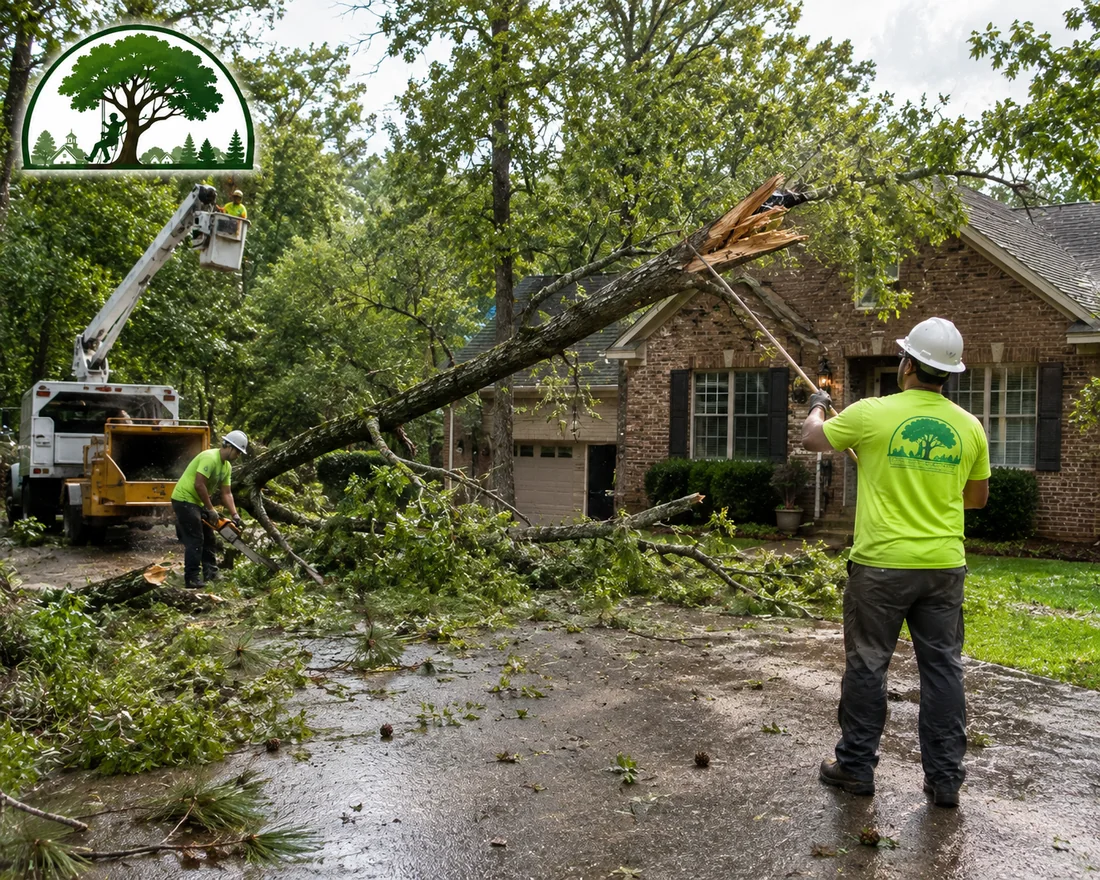
If a tree has already fallen or is hanging precariously after a storm, do not approach it. Downed power lines, broken branches under tension, and unstable trunks can all cause injury. Keep everyone away and call for emergency tree service. Many local tree companies offer storm response and can remove the hazard quickly. If you have a tree that looks risky before the storm hits, it is smarter to deal with it beforehand. Emergency removals are more expensive and more dangerous, and they often happen at inconvenient times. A proactive inspection can save you both money and worry.
Seasonal Checks and Maintenance
Make it a habit to inspect your trees at least once a year, preferably in late winter or early spring before the leaves come out. That is when the structure is easiest to see. Look for changes from the previous year: new leans, new cracks, more deadwood. Also watch for signs of insect infestation, such as bore holes, sawdust at the base, or unusual leaf discoloration. Pests can weaken a tree quickly. Regular pruning by a professional can remove deadwood and improve the tree's shape, reducing the risk of branch failure. But pruning does not fix a tree that is structurally unsound. If the trunk or roots are failing, the tree needs to come down.
Final Word on Safety
A tree is a living thing, and like any living thing, it ages and eventually declines. The key is to notice the decline before it becomes a crisis. Walk your property regularly, look at your trees with a critical eye, and do not ignore small problems because they seem minor. A crack today can be a split tomorrow. A lean this season can be a fallen tree next season. Hazardous tree removal is a serious job, but the decision to do it is simple once you know what to look for. If you are unsure about a tree on your property, a professional can help you decide. For residents of Dallas, Georgia, treeserviceindallas.com is a resource that can provide the expertise needed to keep your home safe. Act early, and you will never have to wonder if your tree is about to fall.
Corrections
Spot something wrong? Send it to the desk and it gets fixed in the open.